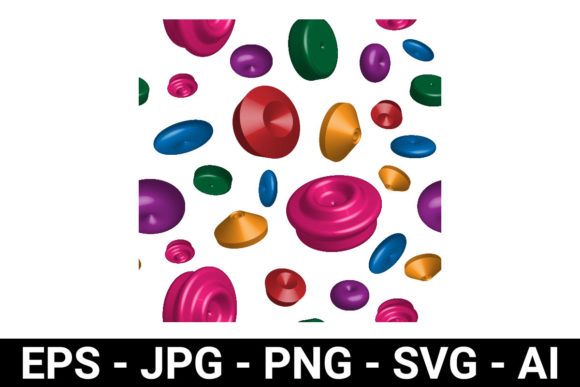
Abstract Colorful 3d Shape Pattern: A Comprehensive Guide for Modern Designers
In the rapidly evolving landscape of digital design, visual trends cycle with increasing speed. Among the most persistent and versatile styles emerging in recent years is the abstract colorful 3d shape pattern. This aesthetic combines the fluidity of liquid forms with the precision of geometric structures, rendered in vibrant gradients that capture attention without overwhelming the viewer. For professionals aged 20 to 50 who are constantly evaluating resources for their projects, understanding the nuances of this specific style is essential for making informed decisions about assets, tools, and creative direction.
The core appeal of an abstract colorful 3d shape pattern lies in its ability to bridge the gap between minimalism and maximalism. It offers a dynamic backdrop that feels modern and futuristic while retaining enough negative space to allow text or primary content to stand out. Unlike flat vector illustrations that can sometimes appear dated, the three-dimensional aspect adds depth and realism, mimicking the way light interacts with physical objects in a digital space. This makes it particularly effective for businesses looking to convey innovation, creativity, and forward-thinking values.
Understanding the Composition and Technical Specifications
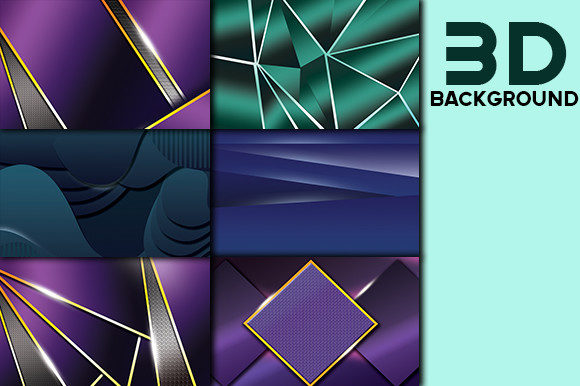
To effectively utilize an abstract colorful 3d shape pattern, one must first understand its structural components. These designs typically feature isolated elements that float against a background, often utilizing gradient meshes to create smooth transitions between colors like blue, pink, and other bright hues. The shapes themselves range from organic, liquid blobs to sharp, angular geometric figures, creating a sense of motion and fluidity even in static images.
The versatility of these patterns is significantly enhanced by the file formats available in comprehensive ZIP folders. A well-curated collection usually includes:
- AI and EPS files: Essential for professional designers who need to scale the artwork without losing quality. These vector formats ensure that the abstract colorful 3d shape pattern remains crisp on large-format banners, posters, or billboards.
- SVG files: Ideal for web development, allowing for responsive design where the graphics adapt perfectly to different screen sizes while maintaining lightweight performance.
- PNG and JPG files: High-resolution raster options perfect for quick implementation in social media posts, email headers, or presentations where vector editing is not required.
This variety in formats means that a single purchase or download can serve multiple purposes across a brand's entire ecosystem, from a business card layout to a full website hero section.
Evaluating the Style Against Alternatives
When selecting visual assets, designers often face a choice between several distinct categories. How does the abstract colorful 3d shape pattern compare to other popular styles? Understanding these differences helps in determining the best fit for a specific project.
Comparison with Flat Geometric Patterns
Flat geometric patterns have been a staple in corporate design for decades. They offer clarity and simplicity but can sometimes lack the emotional resonance needed for trendy or lifestyle brands. An abstract colorful 3d shape pattern introduces volume and lighting effects that flat designs cannot achieve. While flat patterns might be preferable for technical documentation or minimalist interfaces requiring strict readability, the 3D approach excels in marketing materials where capturing immediate interest is the primary goal.
Comparison with Photorealistic Imagery
Photorealistic images are powerful, but they often require expensive photography shoots or complex stock image licensing. Furthermore, real photos can be difficult to integrate seamlessly into graphic layouts without clashing with typography. Abstract 3D shapes offer a middle ground; they provide the visual richness of photography but with the flexibility of illustration. You can easily change the color palette of a 3D vector shape to match your brand guidelines, a task that is nearly impossible with standard photography.
Comparison with Hand-Drawn Illustrations
Hand-drawn styles convey personality and warmth, which is excellent for artisanal or boutique brands. However, they can appear inconsistent if not executed by a skilled artist every time. The abstract colorful 3d shape pattern provides a consistent, polished look that aligns well with tech companies, startups, and digital agencies. The "liquid" and "fluid" nature of these shapes suggests movement and adaptability, traits that are highly valued in the current digital economy.
Strategic Use Cases and Decision Factors
Selecting the right visual asset depends heavily on the intended application. The decision to use an abstract colorful 3d shape pattern should be driven by the message you wish to convey and the medium through which it will be delivered.
For Digital Marketing and Social Media: In an environment saturated with content, bold visuals are necessary. The gradient-heavy nature of these patterns works exceptionally well on mobile devices, where bright colors and smooth shapes draw the eye quickly. They serve as excellent backgrounds for flyers, event invitations, or promotional banners where the goal is to generate excitement.
For Corporate Presentations and Reports: Traditional corporate slides often suffer from a lack of visual engagement. Incorporating subtle 3D elements can refresh a presentation layout without distracting from the data. When used as a backdrop, these patterns add a layer of sophistication, suggesting that the company is modern and technically proficient. The geometric and line elements within these designs can also be used to create dividers or bullet points that maintain a cohesive theme.
For Web Design and UI/UX: As web browsers become more capable of rendering complex graphics, 3D elements are moving from novelty to necessity. Using SVG versions of these patterns ensures fast load times while providing a premium feel. They are particularly effective for landing pages where a strong visual hook is required before the user scrolls down to read the copy.
Weighing Strengths and Limitations
No design solution is without tradeoffs. While the abstract colorful 3d shape pattern offers numerous benefits, it is important to acknowledge its limitations to avoid misapplication.
Strengths:
- Scalability: Vector-based versions allow for infinite scaling, making them cost-effective for both small icons and massive outdoor displays.
- Customization: The isolated nature of the elements allows designers to rearrange, recolor, or animate them to suit specific needs.
- Trend Alignment: The style fits current trends in "glassmorphism" and "neumorphism," keeping designs feeling contemporary and relevant.
Limitations:
- Cognitive Load: Because these patterns are inherently busy and colorful, they can overwhelm text if not used with sufficient spacing. They are less suitable for text-heavy documents like legal contracts or dense instructional manuals.
- Accessibility: High-contrast gradients can sometimes cause issues for users with visual impairments if the contrast ratios are not carefully managed.
- Overuse Risk: As this style has gained popularity, there is a risk of it becoming generic. To stand out, designers must manipulate the composition rather than using pre-made templates exactly as they appear.
Making the Final Choice
Deciding whether to invest in an abstract colorful 3d shape pattern ultimately comes down to the specific goals of your project. If your objective is to create a sense of energy, innovation, and visual depth, this style is likely the superior choice over flat or photographic alternatives. It is particularly well-suited for industries such as technology, finance, creative agencies, and lifestyle brands that want to project a dynamic image.
However, if your project prioritizes absolute minimalism, traditional authority, or requires a very subdued background for heavy data visualization, you might find that a simpler geometric pattern or a solid color scheme serves you better. The key is to evaluate the balance between visual impact and functional clarity.
By leveraging the diverse formats found in a comprehensive ZIP folder—ranging from editable AI vectors to ready-to-use PNGs—you can ensure that the abstract colorful 3d shape pattern integrates seamlessly into your workflow. Whether you are designing a futuristic poster, a cool app interface, or a trendy magazine layout, these assets provide the foundation for creating compelling visual narratives. The ultimate success lies not just in the asset itself, but in how thoughtfully it is applied to communicate your unique concept.