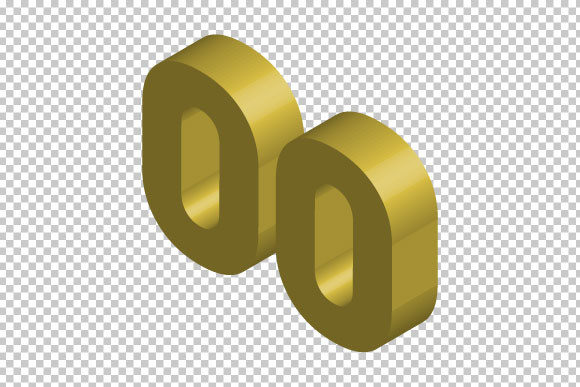
The Evolution of Visual Identity: Why 3D Number Design is Reshaping Modern Branding
In an era where digital attention spans are shrinking and visual noise is at an all-time high, professionals and creators are constantly searching for ways to cut through the clutter. The solution often lies not in adding more elements, but in mastering depth, dimension, and tactile realism. This is where 3D Number Design emerges as a pivotal tool in the modern creative arsenal. It represents a shift from flat, two-dimensional aesthetics to immersive, volumetric typography that commands attention and conveys a sense of tangible quality.
For entrepreneurs, marketers, and freelancers, understanding the mechanics and applications of three-dimensional numerals is no longer just an artistic preference; it is a strategic necessity. As we move further into a digital-first economy, the demand for assets that bridge the gap between physical perception and digital display has never been greater. This article explores the significance of 3d design in the current market, how it aligns with evolving consumer behaviors, and why having a robust library of 3d Number Design files is essential for forward-thinking projects.
Defining the Depth: What Is 3D Number Design?
3D Number Design refers to the artistic and technical process of rendering numerical characters with volume, texture, lighting, and shadow to simulate real-world objects within a digital space. Unlike traditional vector graphics that rely on flat colors and strokes, this approach utilizes complex shading algorithms, gradients, and perspective to create the illusion of depth. The result is a numeral that appears to exist in physical space, capable of reflecting light, casting shadows, and interacting with its environment.
This form of design goes beyond simple extrusion. It involves a nuanced understanding of material science—whether the number looks like brushed metal, glossy plastic, frosted glass, or organic clay. The integration of realistic textures and dynamic lighting transforms a simple digit into a focal point that draws the eye immediately. In the context of broader 3d design, numbers serve as powerful anchors because they convey specific data points, prices, dates, or rankings with an authority that flat text cannot match.
Market Trends: The Shift Toward Tactile Digital Experiences
The rise of 3d Number Design is not an isolated trend; it is a direct response to the maturation of the digital landscape. For years, the industry followed the "Flat Design" movement, prioritizing minimalism and speed. However, user fatigue with sterile, monochromatic interfaces has led to a resurgence of skeuomorphism and neomorphism. Consumers now crave experiences that feel authentic and tactile, even when viewed on a screen.
Marketers are increasingly turning to dimensional typography to enhance brand storytelling. When a consumer sees a price tag or a countdown timer rendered in high-quality 3D, their brain processes it differently than flat text. The perceived value increases, and the element gains a sense of importance. This psychological effect is crucial for e-commerce platforms, promotional campaigns, and event branding where the goal is to drive immediate action.
Furthermore, the proliferation of Augmented Reality (AR) and Virtual Reality (VR) technologies has created a new frontier for 3d design. As users interact with brands in virtual environments, flat logos and text often look out of place. Dimensional numbers integrate seamlessly into these spaces, allowing for interactive product displays, virtual signage, and gamified marketing experiences. The ability to render numbers that react to virtual light sources makes them indispensable for the metaverse economy.
Why Professionals Are Prioritizing Dimensional Assets
For freelancers and agency owners, the adoption of 3d Number Design is driven by efficiency and versatility. The modern workflow demands assets that can be adapted across multiple platforms without losing integrity. A flat logo might need to be completely redesigned for a billboard versus a mobile app, but a well-constructed 3D model offers flexibility that transcends medium.
One of the primary reasons professionals are paying attention to this niche is the demand for print-ready quality. Despite the dominance of screens, print media remains a vital channel for corporate identity, packaging, and large-format advertising. High-resolution 3D renders provide the necessary detail to ensure that numbers look crisp and professional on business cards, brochures, and storefront signage. The transition from digital mockup to physical product is smoother when the source file possesses true volumetric data rather than a rasterized illusion.
Additionally, the customization capabilities of 3D assets allow for rapid iteration. In fast-paced marketing cycles, a campaign might need to change a date, a price, or a ranking overnight. If the underlying asset is a layered 3D file, designers can swap the numeral, adjust the color palette, and re-render the scene in minutes, maintaining consistency while updating content. This agility is a competitive advantage in industries where time-to-market is critical.
Practical Applications Across Industries
The utility of 3d Number Design extends far beyond simple decoration. Its application is diverse, impacting everything from financial reporting to lifestyle branding.
- E-Commerce and Retail: Product listings benefit immensely from dimensional pricing and discount tags. A "50% Off" badge rendered in 3D with metallic textures stands out against a white background, increasing click-through rates and conversion metrics.
- Sports and Events: Scoreboards, jersey numbers, and countdown timers require a bold presence. 3D rendering allows these elements to pop with energy, conveying the excitement and intensity of live competition.
- Tech and Startups: Software companies use dimensional numbers to visualize data dashboards, server counts, or user growth statistics. This adds a layer of sophistication to presentations and investor decks, making abstract data feel concrete and achievable.
- Lifestyle and Fashion: Limited edition releases often feature numbered items. Using 3d design for serial numbers or collection codes adds a sense of exclusivity and luxury, elevating the perceived worth of the product.
These examples illustrate that the relevance of 3D numbers is not about novelty, but about communication. They speak a language of quality and precision that resonates with today's discerning audiences.
Technical Excellence: The Power of Source Files
For creators looking to implement 3d Number Design in their workflows, the format of the source files is paramount. The difference between a generic image and a professional asset lies in the editable layers and resolution. To truly leverage this technology, professionals require access to comprehensive source packages that include AI EPS JPG FILE formats.
The AI (Adobe Illustrator) and EPS (Encapsulated PostScript) formats are the gold standard for vector-based editing. They allow designers to manipulate paths, adjust curves, and scale the numbers to any size without loss of quality. This is essential for large-scale printing where pixelation is unacceptable. Meanwhile, JPG files provide high-resolution raster images that are ready for immediate web deployment or quick mockups, ensuring that the project moves swiftly from concept to execution.
A complete package typically includes over 100 Print ready file variations, offering a vast array of styles, fonts, and materials. This variety ensures that a single project does not suffer from repetitive imagery. Whether a freelancer needs a sleek, chrome finish for a tech client or a warm, wooden texture for a craft brand, having a diverse library means the right aesthetic is always available. This accessibility democratizes high-end design, allowing smaller businesses to compete visually with larger corporations.
Future-Proofing Your Creative Strategy
As we look toward the future of design, the line between the physical and digital worlds will continue to blur. 3d Number Design sits at the intersection of these realities, offering a versatile toolkit for navigating this convergence. The ability to easily use these assets for various projects—from social media stories to holographic projections—positions creators at the forefront of innovation.
Adopting these tools is not merely about keeping up with trends; it is about anticipating the needs of a world that values immersion. By integrating 3d design principles into your workflow, you are investing in a skill set that will remain relevant as technology evolves. The focus shifts from simply displaying information to creating an experience around that information.
In conclusion, 3d Number Design is more than a stylistic choice; it is a strategic asset for modern professionals. It addresses the growing demand for depth, realism, and interactivity in visual communication. With the right resources, including high-quality AI EPS JPG FILE formats and a library of 100 Print ready file options, creators can elevate their projects to meet the highest standards of the industry. Whether you are a marketer crafting a campaign, a designer building a brand, or an entrepreneur launching a product, embracing the dimensionality of numbers is the key to capturing attention in a crowded marketplace.