Colorful Bathroom Interior 3D Design: A Practical Evaluation for Creative Professionals
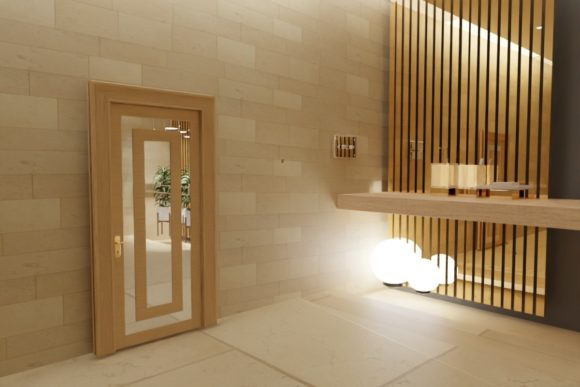
In the rapidly evolving landscape of interior design and digital marketing, visual communication is paramount. One specific asset that has gained significant traction among professionals is the Colorful Bathroom Interior 3D Design. This concept refers to a high-fidelity, digitally rendered environment that simulates a vibrant bathroom space. Unlike standard photography, which is constrained by physical lighting and location, a 3D rendered scene offers complete control over color palettes, textures, and spatial composition. For shop owners, artists, and creative bloggers, these assets serve as versatile frameworks for showcasing products or branding concepts without the logistical challenges of physical set construction.
Understanding the Core Concept
A Colorful Bathroom Interior 3D Design is essentially a photorealistic digital mockup. It depicts a bathroom setting characterized by vivid hues and detailed architectural elements. The "realistic" aspect ensures that the lighting, shadows, and material reflections mimic real-world physics, making the final output indistinguishable from a photograph taken on-site. However, the underlying structure remains a 3D model. This distinction is crucial because it allows users to manipulate specific layers within the image.
The primary utility of this design lies in its flexibility. Instead of commissioning a photographer to visit a location, rent props, and manage lighting setups, designers can utilize a pre-built 3D file. This file typically includes a main source format where artwork can be inserted via Smart Object technology. Once the artwork is placed, the software automatically adjusts perspective, lighting, and shadows to match the scene, resulting in a seamless integration of the user's product or graphic into the environment.
Evaluating the Benefits for Creative Professionals
For individuals looking to advertise their latest designs or promote their business, the advantages of utilizing a 3D rendered bathroom are substantial. The decision to use this type of asset often comes down to efficiency, cost, and aesthetic control.
- Time Efficiency: Creating a custom scene from scratch involves modeling, texturing, lighting, and rendering. By using a pre-made Colorful Bathroom Interior 3D Design, creators bypass the initial setup phase. They can focus entirely on their core content, such as designing a new tile pattern or selecting a paint scheme, and visualize it immediately.
- Cost Reduction: While there may be an upfront cost to acquire the template, the long-term savings are significant. Physical photoshoots require renting spaces, purchasing furniture, hiring crews, and managing logistics. A reusable 3D file eliminates these recurring expenses. Furthermore, the ability to reuse the same scene multiple times for different campaigns maximizes the return on investment.
- High-Resolution Output: Modern 3D renders are generated at high resolutions, such as 5000 x 3000 pixels. This dimension ensures that the images remain crisp when viewed on large displays, printed on banners, or used in high-definition presentations. The clarity provided by a 5K resolution file supports professional branding standards that lower-resolution stock photos cannot meet.
- Uniqueness and Standout Appeal: Standard bathroom imagery is often generic. A unique scene with a distinct color palette helps artwork look more outstanding. By placing a product in a carefully curated, colorful environment, brands can create a memorable association between their item and a specific lifestyle or aesthetic.
Technical Considerations and Workflow
When evaluating whether to incorporate a Colorful Bathroom Interior 3D Design into your workflow, understanding the technical requirements is essential. These files are designed for ease of use but do require specific software capabilities. Typically, the package includes one main 3D file (often compatible with Adobe Photoshop) and five high-resolution JPEG exports.
The process relies heavily on the Smart Object feature found in graphic editors like Photoshop. This functionality allows the user to double-click a layer, edit the artwork, save it, and have the changes automatically update across the 3D scene. This non-destructive editing method preserves the integrity of the original render while allowing for rapid iteration. For artists and designers comfortable with standard graphic tools, the learning curve is minimal.
However, users must consider the limitations of this approach. The scene is static in terms of camera angle and lighting once the file is delivered. If a project requires a view from a completely different angle or a drastic change in lighting conditions (e.g., shifting from daylight to moonlight), a single template may not suffice. In such cases, the tradeoff between convenience and customization becomes a key factor in decision-making.
Situational Fit: Who Should Use This?
This type of design asset is particularly well-suited for specific groups within the creative industry. Shop owners selling home decor, textiles, or bathroom fixtures will find immediate value in being able to showcase their products in a realistic, aspirational setting. Similarly, interior designers can use these mockups to present renovation proposals to clients, demonstrating how a new color scheme might look before any physical work begins.
Bloggers and content creators also benefit significantly. In the competitive world of digital publishing, high-quality visuals are necessary to retain reader attention. Using a Perfect Realistic 3D Rendered Interior allows a blogger to produce professional-grade articles about design trends without needing a budget for a full-scale photoshoot. It enables them to maintain a consistent visual brand identity across their platform.
Alternatives and When to Look Elsewhere
While the benefits are clear, a Colorful Bathroom Interior 3D Design is not the universal solution for every scenario. For projects requiring hyper-specific architectural details that differ from the template, alternatives may be worth considering. For instance, if a client needs to see a room with a specific, unusual layout that does not exist in the provided template, hiring a 3D artist to build a custom model from scratch would be the appropriate path.
Additionally, if the goal is to capture authentic human interaction or specific emotional nuances that are difficult to simulate with a static object placement, traditional photography might offer a more genuine connection. Some brands prioritize the "imperfections" of real life, such as natural wear and tear or candid moments, which a pristine 3D render might lack. In these instances, the polished nature of a 3D mockup could feel too sterile for the desired brand voice.
Decision-Making Insights
To determine if this asset aligns with your goals, consider the following practical insights:
- Volume vs. Customization: If you need to produce many variations of content quickly, the template approach is superior. If you need one highly specialized image, custom creation might be better.
- Technical Proficiency: Ensure you have access to the required software (like Photoshop) to utilize the Smart Object features effectively.
- Brand Consistency: Evaluate if the "colorful" aesthetic of the template matches your brand identity. If your brand is monochromatic or minimalist, a vibrant bathroom scene might clash unless the colors can be easily muted or altered.
In conclusion, a Colorful Bathroom Interior 3D Design represents a powerful tool for modernizing design presentations and marketing materials. It balances the need for high-quality visuals with the practical constraints of time and budget. By offering a high-resolution, easy-to-edit framework, it empowers creators to visualize their ideas with precision. Whether for a small shop owner or a large creative agency, the ability to reuse these assets makes them a strategic choice for those seeking to elevate their visual storytelling without the overhead of traditional production methods.
If you encounter any questions regarding the implementation of these files or require assistance with the technical setup, support channels are available to provide immediate solutions. Ensuring a smooth integration process allows you to focus on what matters most: delivering exceptional design work.