Deer Christmas Paper Cut 3d Design: A Comprehensive Evaluation for Holiday Creators
The holiday season brings a surge of creative energy, yet finding the right visual assets to elevate home decor or commercial projects can be challenging. Among the myriad of options available, the Deer Christmas Paper Cut 3d Design has emerged as a versatile resource for designers and DIY enthusiasts alike. This specific digital asset is not merely a static image; it is a layered composition designed to simulate depth and texture through precise vector mathematics. Understanding its technical specifications and practical applications is essential before integrating it into your workflow.
This analysis explores the distinct characteristics of this design, comparing it against traditional raster graphics and standard vector illustrations. We will examine how the specific file formats provided—ranging from editable source files to high-resolution exports—impact the final output quality and the ease of customization. Whether you are preparing a custom greeting card, designing a large-scale window display, or creating merchandise for a boutique shop, evaluating the strengths and limitations of this design will help you determine if it aligns with your project requirements.
Understanding the Core Architecture of the Design
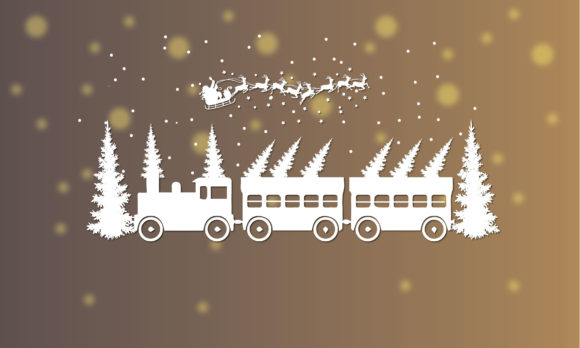
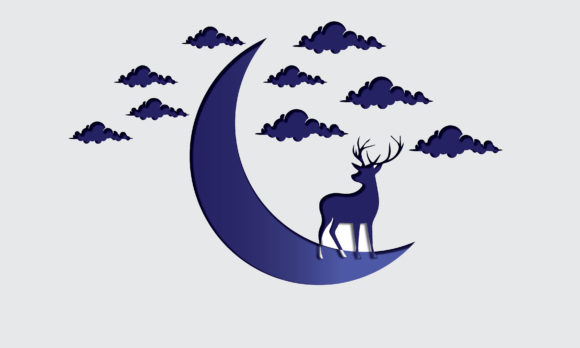
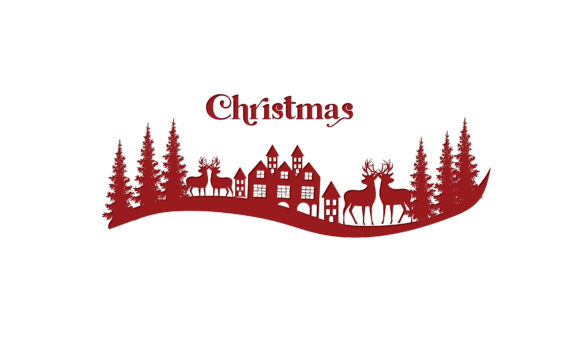
At its foundation, the Deer Christmas Paper Cut 3d Design relies on a sophisticated combination of vector paths and layering techniques to achieve its three-dimensional appearance. Unlike a simple photograph or a flat bitmap, this design utilizes the mathematical precision of vector graphics to define shapes, curves, and shadows. The "3D" aspect is achieved through the strategic placement of multiple layers that mimic the physical stacking of paper cutouts. This creates an optical illusion of depth without requiring complex 3D modeling software.
The distinction lies in the resolution capabilities inherent to vector formats. Because the design is built on vectors, it maintains crisp edges regardless of how much it is scaled. This is a critical differentiator when compared to raster-based alternatives, which often become pixelated when enlarged beyond their native dimensions. The ability to manipulate individual elements allows creators to adjust the spacing between layers, effectively changing the perceived depth of the final piece. This flexibility makes it a superior choice for projects where size consistency is paramount.
Technical Specifications and File Format Versatility
The utility of any digital asset is heavily dependent on the formats in which it is delivered. The Deer Christmas Paper Cut 3d Design stands out because it offers a comprehensive suite of file types, catering to various stages of the production process. This multi-format approach ensures compatibility across different software environments and printing requirements.
- AI and EPS Files: These are the industry-standard source files for professional graphic design software like Adobe Illustrator. They provide full access to the underlying vector data, allowing for deep modifications. Users can alter the geometry of the deer, rearrange the background elements, or completely restructure the composition. The inclusion of these files is particularly valuable for users who need to integrate the design into larger brand identities or modify the layout significantly.
- SVG Files: Scalable Vector Graphics are ideal for web use and modern digital signage. An SVG version of the Deer Christmas Paper Cut 3d Design ensures that the image remains sharp on high-density displays, such as Retina screens or 4K monitors. Furthermore, SVGs can be manipulated via code for interactive web experiences, offering a level of dynamic control that static images cannot match.
- High-Quality PNG and JPG Files: For users who require immediate results without the need for editing, the provided PNG and JPG versions serve as perfect export-ready assets. Rendered at 300 DPI Resolution, these files meet the stringent requirements for high-quality print production. The 300 DPI standard ensures that text and fine details remain legible and sharp when printed on paper, fabric, or other substrates, eliminating the risk of blurry outputs common with lower-resolution downloads.
The Importance of Color Mode and Editability
Color accuracy is another pivotal factor in design selection. This asset is specified in RGB color mode, which is the standard for digital displays and screen-based media. While RGB offers a vibrant spectrum suitable for websites, social media, and video content, it is important to note the implications for print. For most digital-first projects, the RGB mode provides excellent vibrancy. However, for professional offset printing, users may need to convert the color profile to CMYK depending on their printer's specifications, though the vector nature of the file makes this conversion relatively straightforward without losing detail.
The ease of modification is perhaps the most significant advantage of this design package. In many stock art scenarios, users are locked into the original artist's vision. With the Deer Christmas Paper Cut 3d Design, the ability to change colors is seamless. Users can recolor the deer, the snowflakes, or the background elements to match specific brand guidelines or personal aesthetic preferences. This adaptability transforms a generic holiday motif into a bespoke element tailored to a specific campaign or theme.
Comparative Analysis: Vector vs. Raster Alternatives
When evaluating this design, it is helpful to compare it against alternative approaches, specifically raster-based clip art or pre-made 3D models. Traditional raster images, such as JPEGs or low-resolution PNGs found on free image sites, lack the scalability of the Deer Christmas Paper Cut 3d Design. If a user attempts to enlarge a raster image for a large banner, the result is often a jagged, blocky mess. In contrast, the vector foundation of this design allows for infinite scaling.
Similarly, while true 3D rendering software (like Blender or Maya) can produce photorealistic results, it requires a steep learning curve and significant processing power. The Deer Christmas Paper Cut 3d Design offers a middle ground. It captures the aesthetic appeal of 3D depth but retains the simplicity and editability of 2D vector tools. For a small business owner or a hobbyist crafter, this balance is often more practical than investing time in learning complex 3D modeling workflows.
However, there are tradeoffs. A purely vector-based 3D simulation may not achieve the lighting and shadow realism of a fully rendered 3D model. If a project demands hyper-realism, such as a cinematic movie poster, a standard vector illustration might feel too stylized. In those cases, a photorealistic render would be the appropriate choice. Conversely, for a minimalist, clean look that fits well with modern typography and flat design trends, the paper cut style is often preferred over heavy realism.
Strategic Use Cases and Decision Factors
Determining whether the Deer Christmas Paper Cut 3d Design is the right choice depends largely on the intended application. Its features make it exceptionally well-suited for several specific scenarios.
Custom Greeting Cards and Invitations: The high-quality PNG and JPG files at 300 DPI are perfect for home printers or local print shops. The ability to modify colors allows individuals to create personalized invitations that match their wedding or party themes. The vector source files enable designers to add names or dates directly onto the design without compromising quality.
Apparel and Merchandise: For businesses producing t-shirts, mugs, or tote bags, the AI and EPS files are indispensable. These formats are compatible with vector cutting machines (like Cricut or Silhouette) used for vinyl decals, as well as direct-to-garment printing systems. The clean lines of the paper cut design ensure that even small details, such as antler tips or facial features, are reproduced accurately on fabric or ceramic surfaces.
Digital Marketing and Social Media: The SVG and RGB versions are optimized for digital engagement. Brands can animate the layers of the design to create moving greetings or interactive website headers. The lightweight nature of SVG files ensures fast loading times, which is crucial for maintaining user experience scores and SEO performance.
Limitations and Considerations
While the design is robust, it is not a universal solution. Users working exclusively in print-heavy environments that strictly mandate CMYK profiles should be prepared to perform a color space conversion, although the vector format minimizes the risk of color shifting. Additionally, the "paper cut" aesthetic is a stylistic choice. If a client requests a realistic, textured, or painterly look, this design might feel too geometric or flat. It is best suited for projects that embrace a craft-inspired, clean, and modern aesthetic.
Furthermore, the complexity of the layering means that editing requires a basic understanding of vector software. Novice users might find the structure of the AI or EPS files intimidating compared to simply dragging and dropping a single image. However, the availability of the ready-to-use PNG and JPG files mitigates this barrier, allowing beginners to utilize the asset immediately while advanced users leverage the source files for deeper customization.
Conclusion on Selection Criteria
The decision to incorporate the Deer Christmas Paper Cut 3d Design into a project should be based on a clear understanding of the required output medium and the desired level of customization. Its strength lies in its hybrid nature: the visual depth of 3D combined with the technical flexibility of vector graphics. By providing both editable source files and high-resolution exports, it accommodates a wide range of skill levels and production needs.
For professionals seeking efficiency and quality, the ability to switch between RGB for digital and 300 DPI for print within a single package is a significant value proposition. It eliminates the need to hunt for multiple assets or compromise on resolution. Ultimately, this design serves as a powerful tool for anyone looking to add a touch of festive sophistication to their work, provided they appreciate the specific aesthetic of paper-cut artistry. When weighed against alternatives, its versatility and technical fidelity make it a compelling option for the modern creator.