Unlocking Visual Potential with the Pinterest 3D Render Premium PSD Logo
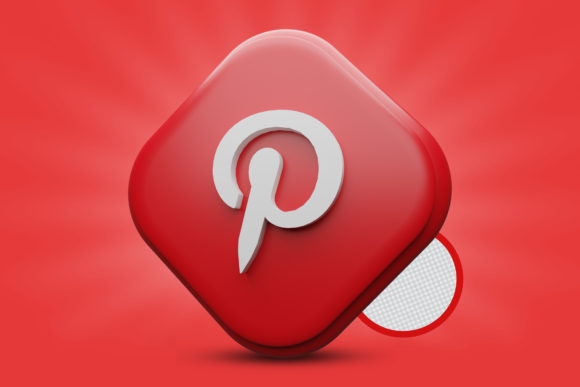
In the rapidly evolving landscape of digital marketing and content creation, visual assets serve as the primary currency for engagement. Among the myriad of design elements available to professionals, a Pinterest 3D Render Premium PSD Logo stands out as a versatile tool capable of elevating brand identity across multiple platforms. This specific asset is not merely a static image; it is a high-resolution, layered file that offers unprecedented flexibility for creators looking to integrate three-dimensional depth into their projects.
The transition from flat design to three-dimensional rendering has become a standard expectation in modern web aesthetics. Users are accustomed to tactile experiences even on two-dimensional screens. By leveraging a premium PSD file, designers can manipulate lighting, shadows, and perspective to create logos that appear to float or cast realistic shadows, adding a layer of sophistication that flat vectors often struggle to achieve. This article explores the multifaceted applications of this resource, detailing how it serves diverse audiences ranging from small business owners to educational institutions.
The Anatomy of a Premium Design File
To fully appreciate the utility of the Pinterest 3D Render Premium PSD Logo, one must first understand the technical advantages inherent in the Photoshop Document (PSD) format. Unlike a flattened JPEG or PNG, a PSD file preserves the individual layers of the original design. This separation allows users to isolate specific components of the logo, such as the text, the iconography, or the shadow effects, without compromising the integrity of the whole.
- Layered Editing: The ability to edit individual layers means that colors can be changed instantly to match a new brand palette. If a business rebrands from blue to green, the entire logo can be updated in minutes rather than requiring a complete redesign from scratch.
- Adjustable Effects: 3D renders rely heavily on layer styles like drop shadows, inner glows, and bevels. With a premium PSD, these effects are non-destructive. A designer can increase the intensity of a shadow to make the logo pop against a dark background or reduce it for a minimalist look on a light interface.
- High-Resolution Export: As noted in the source description, this design can be exported as a PNG in high resolution. This ensures that when the logo is used on large-format banners or high-density displays, it remains crisp and free from pixelation.
Strategic Applications in Modern Marketing
The versatility of this 3D asset extends far beyond simple profile pictures. Its primary strength lies in its adaptability to various marketing channels. When a brand launches a campaign, consistency is key, yet the requirements for visual assets vary wildly depending on the medium. A logo that works perfectly on a website header might fail to grab attention on a social media story or a physical billboard.
Consider the scenario of a product launch. A business owner needs to announce a new item on Instagram, Facebook, and LinkedIn simultaneously. Using the Pinterest 3D Render Premium PSD Logo, they can generate a cohesive set of visuals. On LinkedIn, the logo can be placed over a professional, muted background with subtle lighting to convey trust and authority. For an Instagram story, the same file can be manipulated to have vibrant, dynamic lighting that aligns with the platform's energetic user base.
Beyond social media, the use cases expand into digital advertising. Pay-per-click campaigns require eye-catching thumbnails to drive click-through rates. A 3D-rendered logo adds a sense of dimensionality that naturally draws the human eye. The brain processes depth cues quickly, making the advertisement stand out amidst a sea of flat images. Furthermore, because the file can be saved as a PNG, the transparency is preserved, allowing the logo to blend seamlessly into any banner design without unsightly white boxes.
Empowering Educators and Researchers
While often associated with commercial entities, the utility of high-quality 3D graphics extends significantly into the academic and educational sectors. Educators and researchers frequently need to present complex data or concepts in a way that is engaging and accessible. Static slides can sometimes feel dry, failing to capture the attention of modern students who are accustomed to interactive media.
An instructor presenting a lecture on design principles or digital marketing can utilize the Pinterest 3D Render Premium PSD Logo to create compelling title slides. The 3D effect adds a professional polish that signals effort and expertise, which can enhance the perceived value of the course material. Additionally, researchers publishing papers or creating infographics for public dissemination can use the logo to establish a consistent visual identity for their findings. The ability to export high-resolution files ensures that the branding remains sharp whether viewed on a tablet in a classroom or printed in a conference proceedings booklet.
Hobbyists and independent creators also benefit from this resource. Whether designing a personal blog, a portfolio website, or merchandise, having access to a premium-grade logo template saves time and money. Instead of hiring a graphic designer for a custom logo, a hobbyist can download the PSD, customize the text to their name, adjust the colors to their preference, and have a unique, professional-looking brand mark ready for immediate use.
Technical Considerations for Implementation
Integrating a 3D render into a workflow requires a certain level of technical know-how. While the PSD format is powerful, it is not without its considerations. To maximize the potential of the Pinterest 3D Render Premium PSD Logo, users should ensure they have the necessary software, typically Adobe Photoshop, installed. While alternative programs like GIMP or Affinity Photo can open PSD files, some advanced layer effects may not translate perfectly, potentially altering the intended 3D look.
Another critical factor is the aspect ratio. Banners come in various dimensions, from the standard 728x90 leaderboard to the vertical stories found on mobile apps. Because the source file is a PSD, resizing is straightforward. However, when scaling up a 3D element, it is important to maintain the quality of the textures. This is where the instruction to use the design as a PNG becomes vital. Converting the final composition to a PNG after all adjustments ensures that the rasterization happens at the highest possible resolution, preserving the crisp edges of the 3D render.
Color management is also a consideration. 3D renders often utilize gradients and lighting effects that assume a specific color space, usually RGB for digital screens. If the logo is intended for print media, such as brochures or business cards, the file may need to be converted to CMYK. While the PSD allows for easy editing, the shift from screen to print can alter the vibrancy of the colors. Users should preview the logo in both modes before finalizing their designs to ensure brand consistency across all touchpoints.
The Impact of Depth on User Perception
Why does the 3D effect matter so much? Psychological studies on visual perception suggest that humans are wired to respond to depth. In a digital environment filled with flat interfaces, introducing depth creates a focal point. It mimics the real world, making the object feel more "real" and tangible. This phenomenon is particularly effective for logos, which act as the face of a brand.
A Pinterest 3D Render Premium PSD Logo leverages this psychological principle. By casting a shadow or using a bevel, the logo appears to exist in a space separate from the background. This separation reduces cognitive load, allowing the viewer to process the brand identity faster. It creates a hierarchy of information where the logo is immediately recognized as the most important element on the page.
This advantage is not limited to commercial brands. Non-profit organizations and community groups can use these tools to project stability and professionalism. A well-executed 3D logo suggests that the organization invests in quality, which can inspire confidence among donors and volunteers. The ability to customize the design through the PSD layers means that even niche organizations can tailor the aesthetic to fit their specific mission without losing the impact of the 3D rendering.
Future-Proofing Brand Assets
Digital trends are cyclical, but the demand for high-quality visuals is constant. As technology advances, screen resolutions continue to improve, with Retina displays and 4K monitors becoming standard. Flat, low-resolution graphics will increasingly look dated and unprofessional. Investing in a high-resolution 3D asset like the Pinterest 3D Render Premium PSD Logo is a forward-thinking strategy.
The modular nature of the PSD file ensures longevity. As design trends shift from heavy 3D effects to minimalism, or vice versa, the underlying structure of the file remains intact. A user can strip away the 3D effects to create a flat version for a retro aesthetic or enhance them for a futuristic look. This adaptability protects the investment, ensuring that the logo remains relevant for years rather than months.
Furthermore, the integration of these assets into various banner types supports a multi-channel approach. Whether it is a digital billboard, a website hero section, or a mobile app splash screen, the ability to scale and recolor the logo without losing quality is invaluable. The PNG export capability ensures that the final output is optimized for the web, balancing file size with visual fidelity.
Conclusion
The Pinterest 3D Render Premium PSD Logo represents more than just a graphical asset; it is a strategic tool for anyone looking to enhance their visual communication. From businesses seeking to differentiate themselves in a crowded market to educators aiming to engage students, the benefits of utilizing a high-resolution, editable 3D design are clear. Its capacity to be adapted for any type of banner, combined with the flexibility of the PSD format, makes it an essential component of a modern creative toolkit.
By understanding the technical nuances and applying the principles of depth and contrast, users can create materials that not only look professional but also resonate deeply with their audience. As the digital world continues to prioritize visual storytelling, the ability to produce high-quality, three-dimensional graphics will remain a distinguishing factor between average content and exceptional design.