3d Rendering Wooden Elephant Wallpaper
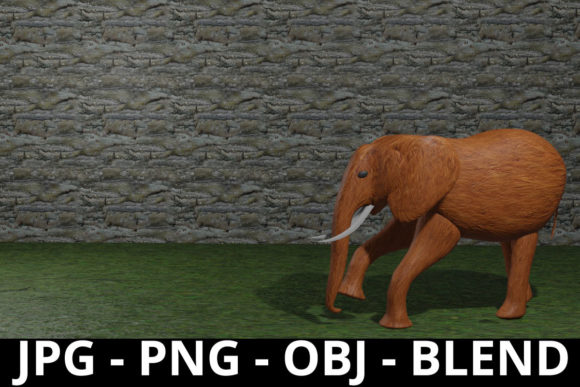
The intersection of digital artistry and natural majesty creates a unique visual experience. 3d Rendering Wooden Elephant Wallpaper is not merely an image; it is a detailed reconstruction of African wildlife reimagined through the lens of craftsmanship. This specific asset features a massive elephant standing in a savannah setting, but instead of flesh and bone, its form is composed entirely of intricate wooden textures. The result is a piece that feels heavy, strong, and grounded, capturing the power of nature while offering the warmth of organic materials.
What makes this particular render stand out is the attention to detail in the front view. You can see the texture of the wood grain running along the tusks, the head, and the trunk. It sits isolated against a backdrop of grass and wilderness, creating a scene that balances the wild with the constructed. Whether you are looking for a high-resolution JPG for a quick background or a complex BLEND file for your own 3D studio, this ZIP folder provides the versatility needed for modern creative workflows.
Why This Digital Asset Matters to Different Creators
While the core subject remains the same—a large mammal made of timber—the value proposition shifts depending on who is holding the mouse. For one person, this might be a simple decorative element. For another, it could be the foundation of a commercial project or a learning tool for advanced modeling techniques.
Beginners and Hobbyists often struggle with finding resources that are both visually impressive and technically accessible. When a beginner encounters a package containing OBJ files alongside standard images, they gain access to the underlying structure of the art. They can open the file in free software, rotate the camera around the wooden elephant, and observe how the lighting interacts with the wood texture. This transforms passive viewing into active learning. The ability to inspect the geometry helps them understand how complex forms like tusks and ears are constructed using polygons.
For Experienced Users and Freelancers, the priority often shifts to flexibility and integration speed. A freelancer working on a branding project for a furniture company might need an image that conveys "strength" and "natural design." A standard photograph of an elephant might feel too literal, whereas a 3D render of a wooden elephant bridges the gap between the animal kingdom and woodworking. The inclusion of multiple formats—JPG, PNG, and source files—means they don't have to spend hours recreating the asset from scratch. They can tweak the colors, adjust the scale, or isolate the object to fit their specific layout needs.
Evaluating Quality and Technical Depth
When professionals evaluate a resource like this, they look beyond the final pixel count. They examine the integrity of the render. Does the shadow fall correctly on the grass? Is the ivory of the tusks distinct from the wood body? In this specific scene, the contrast between the smooth, light-colored ivory and the rougher wood texture adds a layer of realism that elevates the entire composition.
The BLEND and OBJ files included in the ZIP folder are critical for those who require non-destructive editing. A professional designer might want to change the time of day in the scene, moving from a bright safari afternoon to a moody twilight. Without access to the original 3D data, this would be impossible. With the source files, they can manipulate the light sources, adjust the density of the grass, or even replace the wood texture with a different material entirely. This level of control is what separates a static stock photo from a dynamic 3D asset.
Practical Applications Across Industries
The utility of a 3D rendered wooden elephant extends far beyond simple desktop backgrounds. Its thematic resonance with strength, nature, and durability makes it applicable in various sectors.
- Interior Designers and Home Decorators: Imagine a living room wall featuring a large-scale print of this elephant. The wooden texture brings warmth to the space, avoiding the coldness sometimes associated with metal or stone sculptures. It serves as a focal point that invites conversation about sustainability and the beauty of raw materials.
- Marketing and Advertising: Brands focused on eco-friendly products, safaris, or outdoor gear often need imagery that communicates reliability. An elephant is a universal symbol of memory and power. By rendering it in wood, marketers can subtly reinforce themes of environmental stewardship without using cliché green leaves or recycling symbols. The illustration style allows for clean, scalable graphics that work well on mobile devices and billboards alike.
- Educators and Content Creators: Teachers explaining ecosystems or the concept of camouflage might use this render to show how animals blend into their environments. The fact that the elephant is made of wood offers a metaphorical angle: how we can build our future using natural resources. Bloggers and publishers can use the high-quality PNGs (with transparent backgrounds) to create engaging infographics about wildlife conservation.
- Gamers and Virtual Environment Builders: Developers building open-world games set in Africa or fantasy realms can import the OBJ file directly into their engines. The isolated object allows for easy placement in a scene, whether it's a statue in a village square or a mystical guardian in a forest. The texture maps provided ensure that the model looks good under any lighting condition within the game engine.
Understanding the Balance of Cost and Value
One of the most significant advantages of purchasing a comprehensive 3D pack is the return on investment regarding time. If a business owner were to hire a 3D artist to model a standing elephant, apply wood textures, set up a savannah scene, and render it out in multiple resolutions, the cost would be substantial. Acquiring a pre-made, high-quality asset solves this problem instantly.
However, the decision isn't just about saving money; it is about matching the right tool to the right goal. If your only need is a small icon for a website header, a JPG is sufficient. But if you plan to create a video animation where the camera flies around the elephant, the 3d-rendering source files become essential. The ability to animate the trunk or rotate the head adds a dimension of interactivity that flat images cannot provide.
Furthermore, the natural aesthetic of the wooden elephant appeals to a growing demographic that values authenticity. In a world saturated with hyper-realistic CGI that sometimes feels artificial, a render that explicitly uses wood textures offers a tactile quality. It reminds the viewer of the physical world, grounding the digital experience in something tangible. This emotional connection is crucial for anyone trying to build a brand or tell a story that resonates deeply with an audience.
Making the Right Choice for Your Project
Before integrating this asset into your workflow, consider your specific requirements. Do you need a static image for a blog post, or do you need a manipulable 3D model for a presentation? The answer determines which file type within the ZIP folder you should prioritize.
If you are an educator, the educational value lies in the ability to deconstruct the image. Use the source files to show students how a complex shape is built from simple geometric primitives. If you are a marketer, focus on the visual impact. How does the combination of the elephant's power and the wood's warmth align with your campaign message? The isolation of the object allows you to place it anywhere, ensuring it fits perfectly into your existing design system.